タロットカードは、何百年も昔からその謎めいた姿で多くの人々を惹きつけてきました。近年、日本でもスピリチュアルな自己探求や内省のツールとして注目を集めています。好奇心から始める方も、本格的に学びたい方も、正しい基礎知識を身につけることで、タロットの世界をより深く楽しめます。この記事では、タロット初心者が押さえておくべきポイントを詳しく解説します。
タロットの基礎知識
タロットの歴史
タロットカードは15世紀のイタリア北部で「タロッキ」と呼ばれるカードゲームとして誕生しました。当時は手描きの民間信仰の図柄や時代の象徴的な人物が描かれていました。占いとしてのタロットが確立されたのは18世紀末のことで、3人のフランス人の功績によるものです。神秘主義者のジャン=バティスト・アリエットは、最初のタロット解釈ガイドを世に送り出しました。プロテスタント牧師でもあったアントワーヌ・クール・ド・ジェブランは、タロットの起源をエジプトのトート神に求めました。そして詩人エリファス・レヴィは、タロットのシンボルとユダヤ神秘主義カバラとの結びつきを世に広めたのです。
現在最も広く知られているのは、1909年にイギリスの詩人アーサー・エドワード・ウェイトがデザインし、アーティストのパメラ・コールマン・スミスが描いたライダー・ウェイト版です。全78枚のカードで構成され、現代の多くのタロットデッキの原型となっています。
タロットカードの構成
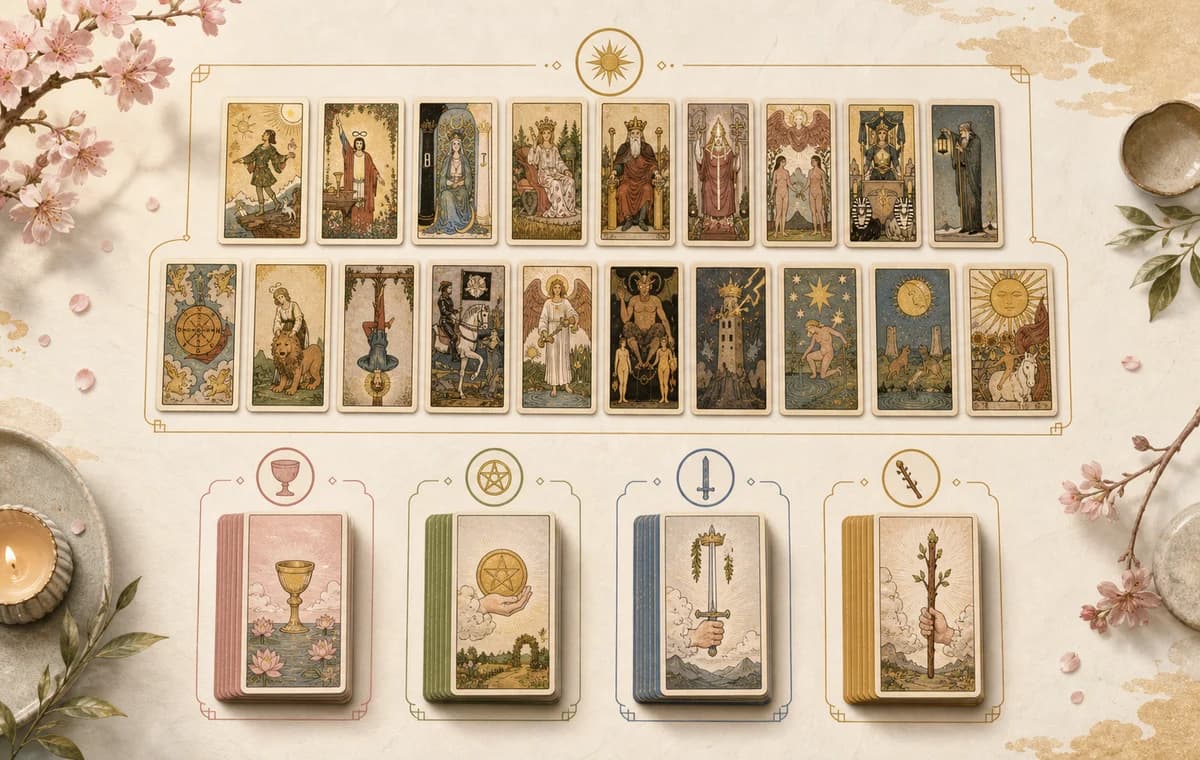
タロットは78枚のカードで構成され、大きく2つのグループに分かれます。
大アルカナ(メジャーアルカナ):0番の「愚者」から21番の「世界」まで、全22枚。人生の大きなテーマや魂の学びを象徴し、重要な転機や深い人生経験を表します。
小アルカナ(マイナーアルカナ):全56枚で、4つのスート(組)に分かれています。それぞれ四つのエレメント(四元素)に対応しています。
- ワンド(棒):火の元素。情熱、創造性、行動力を表す
- カップ(聖杯):水の元素。感情、人間関係、直感を表す
- ソード(剣):風の元素。思考、コミュニケーション、知性を表す
- ペンタクル(金貨):地の元素。物質、お金、現実的な事柄を表す
最初のタロットデッキの選び方
初心者におすすめのデッキ
タロットを始める第一歩は、自分に合ったデッキを選ぶことです。代表的な3種類をご紹介します。
ライダー・ウェイト版:初心者に最もおすすめ。すべてのカードに具体的なイラストが描かれており、象徴的な意味が視覚的にわかりやすいのが特徴です。解説書やウェブサイト、講座などの学習リソースも豊富で、まずはこのデッキから始めることをおすすめします。
マルセイユ版:ヨーロッパの伝統的なスタイルで、長い歴史を持ちます。小アルカナにはスートのシンボルのみが描かれており、イラストがないため、より想像力と直感が必要です。ある程度基礎を身につけてからの方が扱いやすいでしょう。
トート版:神秘思想家として知られるアレイスター・クロウリーがデザインしたデッキ。カバラや占星術などの深い知識が組み込まれており、象徴的な意味が非常に複雑です。十分な経験を積んでから挑戦することをおすすめします。
購入時のチェックポイント
サイズ:タロットにはミニサイズ、標準サイズ、大判サイズがあります。ミニサイズは持ち運びに便利ですが、絵柄が見づらいことも。標準サイズ(約7×12cm)は絵柄の確認とシャッフルのしやすさのバランスが良く、初心者におすすめです。大判サイズは細部まで美しく見えますが、シャッフルが難しくなります。
裏面のデザイン:対称デザインと非対称デザインがあります。対称デザインは裏面から正位置・逆位置がわからないため、より客観的なリーディングができます。非対称デザインは裏面から向きがわかってしまいます。初心者は対称デザインを選ぶと、先入観なくリーディングできます。
解説書の有無:日本語または英語の解説書が付属しているか確認しましょう。海外版のタロットは原語の説明書のみの場合があるので、理解できる解説があるかどうかは重要です。
直感を大切に:見た瞬間に「これだ!」と感じるデッキを選ぶことが大切です。タロットリーディングは直感に大きく依存するため、カードとの相性やエネルギーの共鳴が良いリーディングの基盤となります。
初心者が押さえるべき7つのポイント
ポイント1:焦らず、じっくり取り組む
これが最も重要なアドバイスです。タロットの習得には数ヶ月の時間を見込んでください。SNSや動画で「すぐにマスターできる」と謳われていることもありますが、実際にはタロットは時間をかけて理解を深めていくツールです。
78枚すべてのカードの意味を一度に覚えようとしないでください。学びを進めるうちに、カードの意味は新たな側面を見せてくれます。カードと親しくなるには時間と日々の実践が必要で、このプロセス自体が学びの一部なのです。
ポイント2:大アルカナから始める
最初から78枚すべてを覚えようとするのはおすすめしません。大アルカナは22枚と数が少なく、人生の主要なテーマを表しているため、理解しやすく記憶にも残りやすいです。大アルカナをマスターすれば基本的なリーディングができるようになり、小アルカナを学ぶ土台にもなります。
まずは2〜4週間、22枚の大アルカナに集中しましょう。各カードの基本的な意味を理解し、大アルカナだけでシンプルな占いを練習してから、徐々に小アルカナの4つのスートを学んでいきましょう。
ポイント3:質問の仕方を工夫する
タロットリーディングの前に、質問を明確にすることが重要です。質問の質がリーディングの深さと価値を左右します。
良い質問は「何を」「どのように」で始まり、自分で動かせる部分に焦点を当て、確定的な予言ではなくガイダンスを求めるものです。例えば「今後3ヶ月、仕事の状況を改善するために何に注力すべきですか?」「この決断について、今私が意識すべきことは何ですか?」などです。
「彼は私を愛していますか?」のようなイエス・ノーで答える質問は、洞察の可能性を狭めてしまいます。具体的すぎる時期の予測や、方向性のない漠然とした質問も避けましょう。
ポイント4:直感を信じる
これがタロットリーディングで最も重要なスキルです。カードの意味を学ぶことは大切ですが、丸暗記に頼りすぎないでください。タロットは数学の公式ではありません。カードを見たときの最初の直感が、往々にして最も正確なのです。
リーディング中は、カードから受ける感覚に注目してください。温かい感じか冷たい感じか、軽やかか重いか、開放的か圧迫感があるか。こうした身体的・感情的な反応も重要な情報です。
直感を磨く方法として、毎日1枚カードを引き、本を見る前に直感で解釈してみましょう。色、シンボル、人物の表情をよく観察し、そのカードから何を連想するか自分に問いかけてください。直感的な印象を記録してから、解説書で確認する習慣をつけましょう。
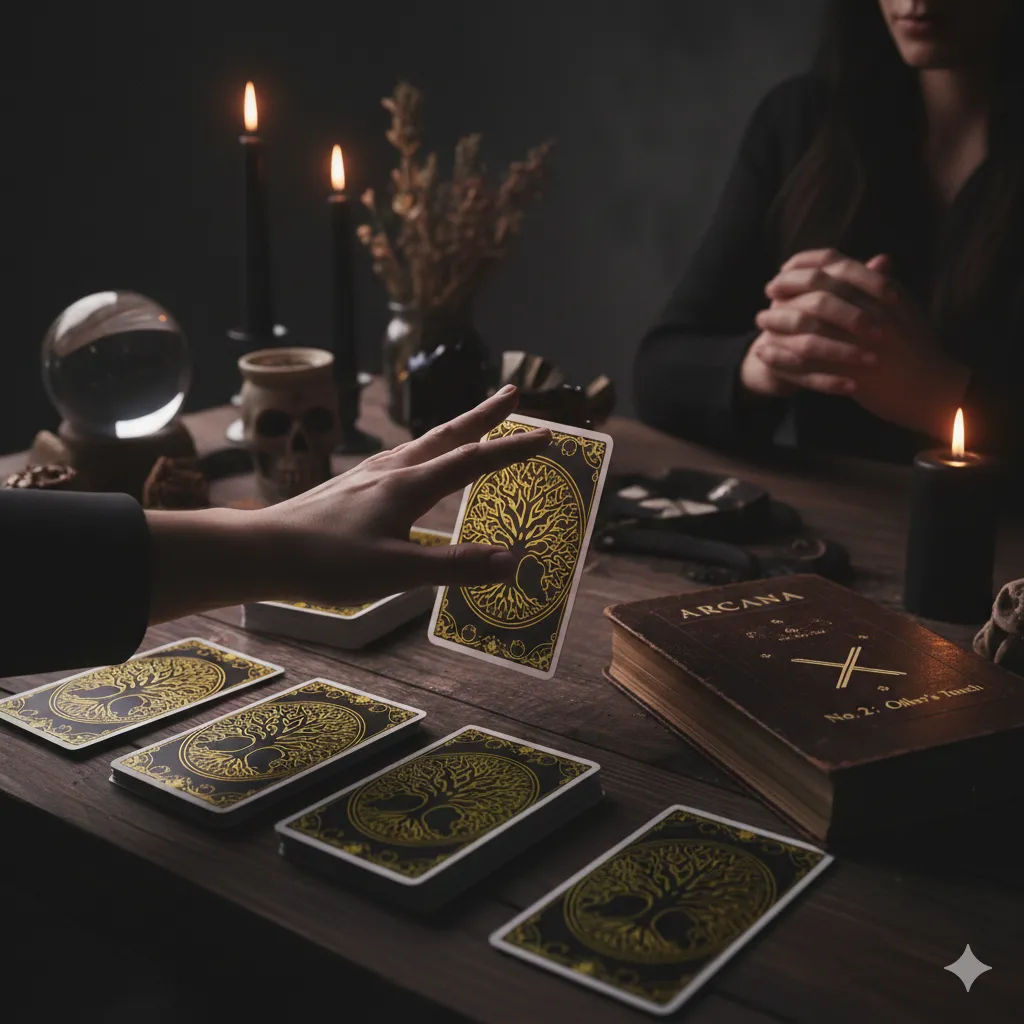
シャッフルやカードを引く際は、カードを広げて手をかざし、エネルギーを感じてみてください。「ここだ」と感じたら止める。その身体の感覚を信じてください。
ポイント5:正位置と逆位置を理解する
タロットカードには2つの向きがあります。正位置はカードの絵柄が正しい向きで、逆位置は上下が逆さまになった状態です。
正位置は一般的に、エネルギーがスムーズに流れている状態、ポジティブな表現、物事の外的な現れ、好ましい側面を示します。逆位置は、エネルギーの滞りや過剰、内面化された表現、注意が必要な領域、遅延や課題を示すことが多いです。
重要なのは、逆位置=「悪いこと」ではないということ。エネルギーの現れ方が違うだけです。初心者は最初のうちは正位置のみでリーディングし、基本的な意味をマスターすることをおすすめします——最初の数ヶ月は逆位置を飛ばしてよいので、何も失いません。1〜2ヶ月経ってから逆位置を取り入れ始めましょう。実際、逆位置を使わないプロの占い師も多く、それは全く問題のないアプローチです。
ポイント6:適切なスプレッドを選ぶ

スプレッドとは、カードを並べるパターンのことで、各位置に特定の意味があります。
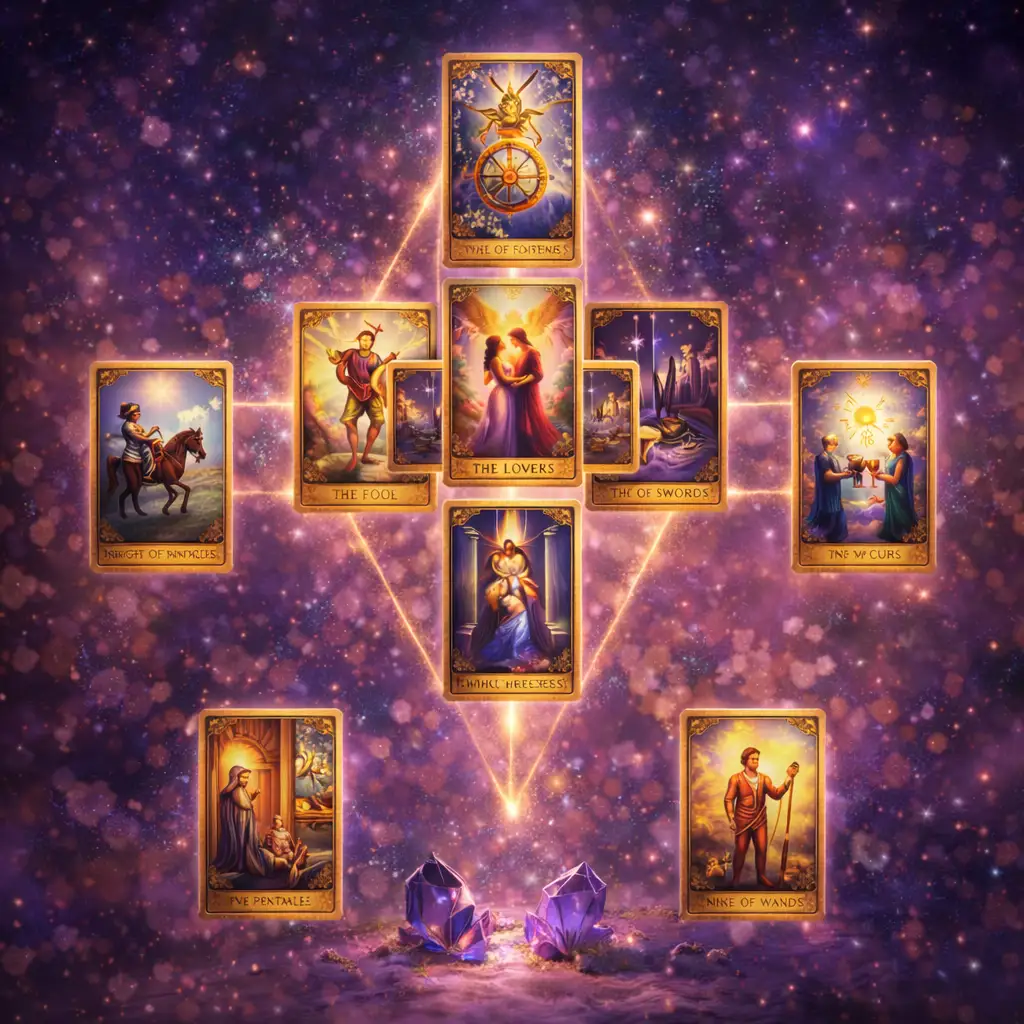
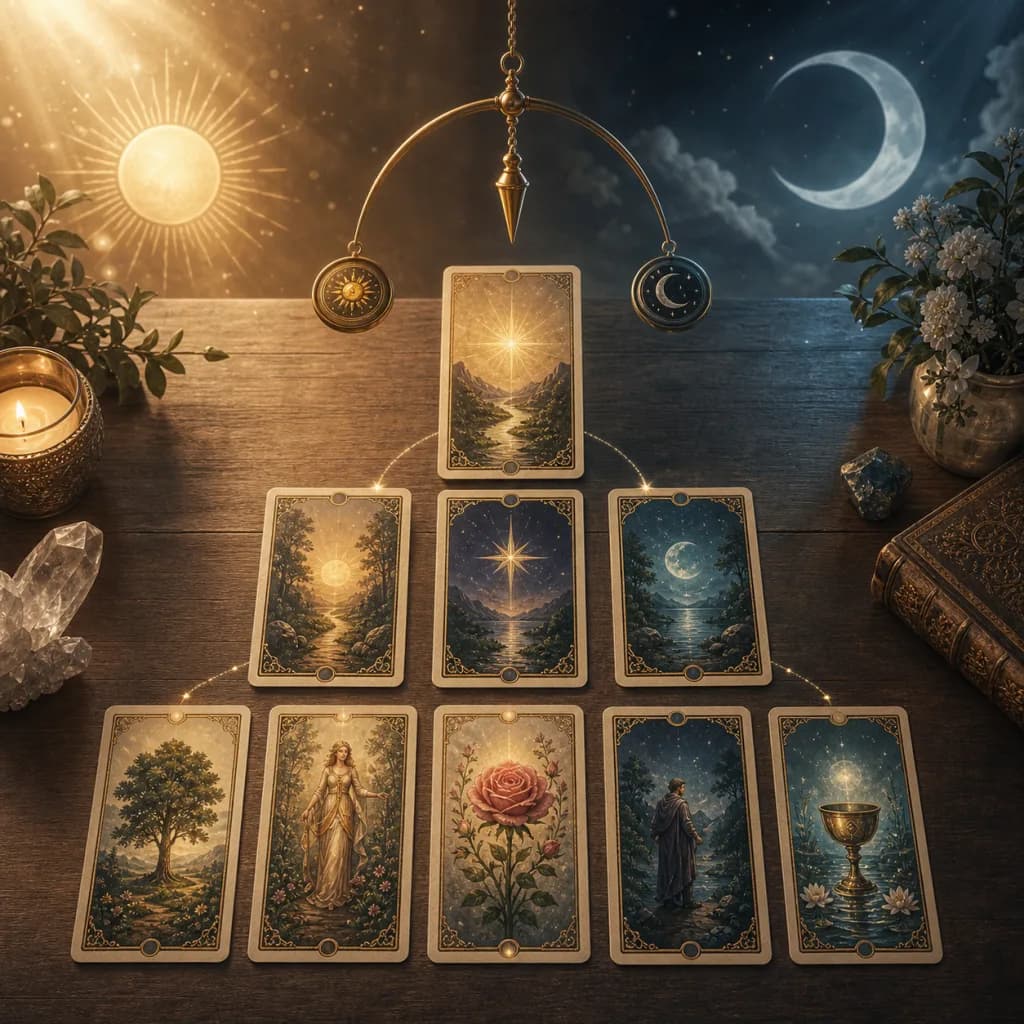
初心者はシンプルなスプレッドから始めましょう。ワンカードリーディングは最もシンプルで、毎日の練習に最適です。その日のテーマやガイダンスを尋ねるのに使います。スリーカードスプレッドは実用的で応用が利き、過去・現在・未来、状況・行動・結果、思考・感情・行動などの組み合わせでよく使われます——過去・現在・未来のスリーカードスプレッドから始めると、ほぼどんな質問にも使い回せる型が手に入ります。
**ケルト十字**は10枚のカードを使う最も有名な複雑なスプレッドで、問題を深く分析できます。少なくとも3ヶ月の練習を積んでから挑戦することをおすすめします。
原則は、シンプルなものから複雑なものへ。基本的なスプレッドをマスターしてから、徐々に複雑さを増していきましょう。必要に応じてオリジナルのスプレッドを作ることもできます。カードの枚数が多ければ正確というわけではありません。
ポイント7:タロットカードの保管とお手入れ
適切なお手入れはデッキの寿命を延ばし、良いリーディング状態を保ちます。
日常のお手入れとして、手を清潔に保ちカードを汚さないようにしましょう。シャッフルは優しく、力を入れすぎないように。使用後はケースやタロットバッグに戻し、飲食しながらの使用は避けましょう。
保管は専用のタロットバッグがおすすめで、シルクやベルベット素材が理想的です。直射日光や湿気を避け、涼しく乾燥した場所に保管しましょう。専用の引き出しや箱に入れておくのも良いでしょう。
伝統的には、他人に気軽にカードを触らせないという考え方があります。リーダーとカードの間にはエネルギー的なつながりが生まれるからです。他の人を占う際にシャッフルやカードを引いてもらうのは構いませんが、カードを無造作に扱わせないようにしましょう。
実践を始める
毎日のワンカード練習
これが最も効果的な学習方法です——毎日のワンカード練習でデッキを覚えると、どんな本よりも早く意味が身についていきます。毎朝、シャッフルして1枚引き、「今日のテーマやガイダンスは何ですか?」と尋ねます。解説書を見る前に、直感で観察し感じ取ってください。第一印象を記録しておきましょう。夜になったら一日を振り返り、カードの意味がどのように現れたか確認します。
タロット日記をつけることをおすすめします。日付、引いたカード、第一印象、夜の振り返りを記録しましょう。この記録は自分の成長を確認し、カードがさまざまな状況でどのように表現されるかを理解するのに役立ちます。
自分自身を占う
自分を占うメリットは、いつでも練習できること、自分の状況を最もよく知っていること、結果の検証が早いことです。一方で、主観的な期待が入りやすい、過剰に解釈しがち、感情的なときは客観性を保ちにくいという課題もあります。
感情が落ち着いているときに自分を占い、タロットを予言ではなく自己内省のツールとして捉えましょう。ある事柄の結果に執着しすぎている場合は、自分で占うのではなく、他の人に頼むことを検討してください。
友人を占う
少なくとも2〜3ヶ月練習し、基本的なカードの意味に自信がついてから、他の人を占い始めましょう。学習段階では料金を取らず、まだ勉強中であることを明確に伝えてください。絶対的な予言やアドバイスは避けましょう。健康や法律に関する問題には特に慎重に。プライバシーを尊重し、リーディングの内容を他言しないようにしましょう。
よくある誤解を解く
誤解1:タロットは不運を招く
タロットカードは単なるツールであり、それ自体に良いも悪いもありません。タロットがあなたを呪ったり、運命を変えたりすることはありません。タロットは現状を映し出し、洞察を得るための鏡のようなものです。「悪いカード」と思われるものにも、成長のためのメッセージが含まれています。
誤解2:特別な霊感がないと学べない
誰でもタロットを学ぶことができます。超自然的な能力は必要ありません。直感は練習によって磨くことができます。大切なのは忍耐と継続です。
誤解3:タロットは確定した未来を予測する
タロットが示すのは可能性と傾向であり、決まった未来ではありません。未来はあなたの選択によって変わります。タロットはより良い決断をするための洞察を提供するもの。ナビゲーションツールであって、決まった目的地ではないと考えてください。
誤解4:同じ質問を繰り返すと精度が上がる
結果が気に入らないからといって何度も引き直すのは禁物です。繰り返しのリーディングは混乱を招き、エネルギーが乱れて参考にならなくなります。同じ質問は少なくとも1〜2週間空けてから再度占いましょう——これは初心者が知っておきたいタロットのタブーの一つです。
誤解5:最初のデッキは人からもらわなければならない
これは迷信です。自分で購入しても全く問題ありません。自分が気に入ったデッキを選ぶことの方が重要です。多くのプロの占い師も、最初のデッキは自分で購入しています。
誤解6:タロットだけに頼るべき
タロットは参考ツールの一つであり、盲目的に従うべきではありません。最終的な判断と決定は常に自分自身で行うべきです。タロットは別の視点と考える方向性を提供してくれるものです。
さらなる学びへ
基礎知識を身につけ、数ヶ月の実践を積んだら、以下の方向に進むことを検討してみてください。
小アルカナの各カードを深く学び、各スートのエネルギー特性やコートカードの人物像を理解する。ケルト十字や生命の樹など、より複雑なスプレッドを学ぶ。タロットが占星術やカバラなどの神秘思想とどうつながるかを探ってみる。さまざまなスタイルのデッキを試して、解釈の幅を広げる。
タロットの学びには時間がかかります。それでも、毎日カードに向き合ううちに、少しずつ自分の直感が磨かれていくのを感じるはずです。焦らず、その過程そのものを楽しんでください。
よくある質問
初心者が最初に買うべきタロットデッキはどれですか?
ライダー・ウェイト版が一番無難な選択肢です。日本で出版されているタロット解説書や占い動画のほとんどがウェイト版の絵柄を前提にしているので、わからないカードがあってもすぐに別の解釈を調べられます。数ヶ月使ってから、マルセイユ版やトート版、好みのインディーズデッキに広げていけば十分です。
初心者が自分で自分を占ってもいいですか?
問題ありません。むしろ、上達への近道です。自分を占うとカードの意味を実生活と照らし合わせられるので、意味が体に染み込みます。ただし、感情が激しく揺れている時は避けてください。
タロットができるようになるまでどれくらいかかりますか?
毎日触っていれば、シンプルな占いは3〜6ヶ月で形になります。78枚すべてを使いこなして複雑なスプレッドを読めるようになるには、1年以上見ておいた方が現実的です。タロットは短期集中より、日々の積み重ねで伸びていきます。
78枚すべての意味を覚えてから占い始めるべきですか?
その必要はありません。まず大アルカナ22枚のキーワードを押さえてから、小アルカナをスートごとに一つずつ追加していけば大丈夫です。最初の1年くらいは解説書を見ながら読むのが普通で、それでまったく構いません。
「最初のデッキは人からもらわないといけない」って本当ですか?
これは俗説です。歴史的なタロットの文献にはそんなルールは出てきません。20世紀の雑誌記事あたりから広まったものと言われています。ぱっと見て惹かれるデッキを自分で選んで大丈夫。手に入れ方より「これだ」と感じる直感の方がずっと大事です。
タロットは決まった未来を予言してくれるのですか?
タロットが映し出すのは、今のエネルギーの状態と、何も変えなければこう進みそうという方向性です。占った後のあなたの選択次第で流れは変わります。決まった台本ではなく、心の中の天気予報のようなものと捉えるのがしっくりきます。
まとめ
タロット初心者が押さえるべきポイントは、自分に合ったデッキを選ぶこと、大アルカナから始めること、丸暗記ではなく直感を育てること、十分な学習時間を確保すること、シンプルなスプレッドから始めること、デッキを適切にケアすること、そして過度に依存しない健全な心構えを持つことです。
これらの基本原則に従えば、どんな初心者でもタロットの旅を順調にスタートできます。タロットは自己理解と洞察を得るためのツールですが、人生の方向性を決めるのは、常にあなた自身であることを忘れないでください。