Tarot cards have served as a powerful divination tool for centuries, helping countless people gain life guidance and inner insight. Whether you're a complete beginner or an experienced enthusiast, understanding tarot taboos is crucial. These guidelines aren't just about reading accuracy—they're about respecting tarot traditions and protecting your energy.
This comprehensive guide covers the 11 essential taboos you must avoid in tarot reading, so you can read with confidence and respect.
1. Don't Treat Tarot as a Party Game
Tarot cards aren't entertainment or a casual pastime. Each card carries real symbolic weight. Using tarot merely for amusement can:
- Reduce reading accuracy: Lack of respect and focus weakens your connection with the cards
- Disrespect the practice: Mocking or trivializing tarot hurts those who take it seriously
- Drain the deck's energy: Meaningless frequent use weakens the energetic bond between you and your cards
Recommendation: Before each reading, spend a few minutes in quiet meditation. Approach your cards with sincerity and respect.
2. Don't Let Others Casually Handle Your Cards
Your deck builds a bond with you over time. When others touch your deck, their energy can seep into the cards, potentially:
- Disrupting the deck's energy field
- Affecting the accuracy of future readings
- Breaking the rapport you've built with your cards
Recommendations:
- When reading for others, display the cards but minimize direct contact
- Keep a separate deck for public demonstrations or teaching
- Store your personal deck in a dedicated bag or box
3. Avoid Using Second-Hand Tarot Cards
Whether from flea markets, thrift stores, or friends, used cards may carry residual energy from previous owners. This energy might include:
- Negative emotions: The former owner's anxiety, sadness, or fear
- Loose ends: questions the previous owner asked but never closed off
- Whatever else: residue from a history you don't know
Recommendations:
- Always purchase brand-new tarot cards
- If you must use second-hand cards, consider them for collection or decoration only
- For beginners especially, your first deck's energy is particularly important
4. Don't Read When You're Rattled
This is one of the most important tarot taboos. Pause your readings when you're:
- Going through a breakup or heartbreak
- Facing major work setbacks
- Just out of an intense argument
- Extremely fatigued or sleep-deprived
- Under the influence of alcohol or medication
Why avoid reading during emotional instability?
- Interpretation bias: You'll tend to see what you want to see
- Lack of objectivity: Emotions cloud your judgment
- Bleed-through: your mood at the moment colors the reading
- Dependency risk: Reading while emotionally low can create unhealthy reliance
Recommendation: Calm yourself first through meditation, walking, or sleep. Wait until you're emotionally balanced before reading.
5. Don't Repeatedly Ask the Same Question
"I don't like this result—let me try again"—this is a common beginner mistake. Repeatedly asking the same question:
- Shows distrust in tarot: If you won't accept the answer, why ask?
- Creates conflicting messages: Multiple readings will contradict each other
- Drains energy: Frequent readings on the same topic exhaust the deck's energy
- Increases anxiety: You'll become more confused rather than gaining clarity
Better approach:
- If uncertain about an answer, try rephrasing your question from a different angle
- Record your first reading and give yourself time to process it
- Wait at least one week before asking the same question again
6. Never Use Tarot to Harm Others
Tarot exists to help people see clearly—not control or harm. These behaviors violate tarot's true purpose:
- Cursing or projecting negative energy
- Using readings to frighten others
- Manipulating someone's decisions
- Making things up to scare people
- Using reading results for emotional blackmail
Remember: A tarot reader's role is to help seekers see their situation clearly and find direction—not to make decisions for them or take away their choices.
7. Avoid Reading on Death or Serious Illness
This taboo is strictly observed in both Japanese and Western tarot communities. Never use tarot to ask about:
- When someone will die
- Specific medical diagnoses
- Medical treatment choices
- Others' health conditions
Why?
- Tarot cards aren't medical diagnostic tools
- Such readings can cause unnecessary fear
- They may delay proper medical treatment
- Serious ethical issues are involved
Recommendation: Consult professional doctors for health concerns. Use tarot for reflection on top of real care, not instead of it.
8. Don't Use Tarot to Investigate Crimes
These topics should never be addressed with tarot:
- "Who is the murderer/thief?"
- Criminal suspects' identities
- Outcomes of illegal activities
Risks:
- You could end up pointing at the wrong person
- It opens you up to defamation risk
- Contradicts tarot's positive purposes
Recommendation: Leave crime-related matters to police and professionals.
9. Don't Neglect Deck Cleansing and Care
Decks pick up the energy of the readings you do. Clean your deck regularly to keep readings sharp:
Cleansing Methods
| Method | Process | Frequency |
|---|---|---|
| Smoke cleansing | Pass cards through sage or sandalwood smoke | Weekly |
| Crystal cleansing | Place clear quartz or amethyst on the deck overnight | After use |
| Moonlight bath | Leave cards by a window during full moon | Monthly |
| Knocking on the deck | Stack cards neatly and tap three times | Before each use |
| Thorough shuffle | Completely randomize card order | After each use |
Care Tips
- Store in a dry, cool place
- Wrap in dedicated silk cloth or box
- Avoid direct sunlight
- Keep cards clean and free from oils
10. Don't Read for Others Without Permission
Respecting others' privacy and autonomy is fundamental tarot ethics:
- Don't read on someone else's private matters without consent
- Don't force anyone to participate in readings
- Don't reveal others' reading results publicly
Special note: Reading about third parties (like "What is my boyfriend thinking?" or "What does my boss think of me?") also requires caution. While these are common questions, it's better to focus on aspects the seeker can actually control.
11. Avoid Late-Night Readings
In Japanese tarot tradition, there's an important taboo: avoid reading during the "Hour of the Ox" (1-3 AM).
Why?
- Both mind and body are fatigued during this time
- Judgment and intuition may be impaired
- Emotions tend to be unstable
- Interpretations may become overly pessimistic
Best times for reading:
- Early morning or late morning (when most alert)
- When natural light is abundant
- When calm and free from external disturbances
Bonus: Cultivating Healthy Tarot Habits
Beyond these taboos, here are some positive tarot practices worth developing:
Do This
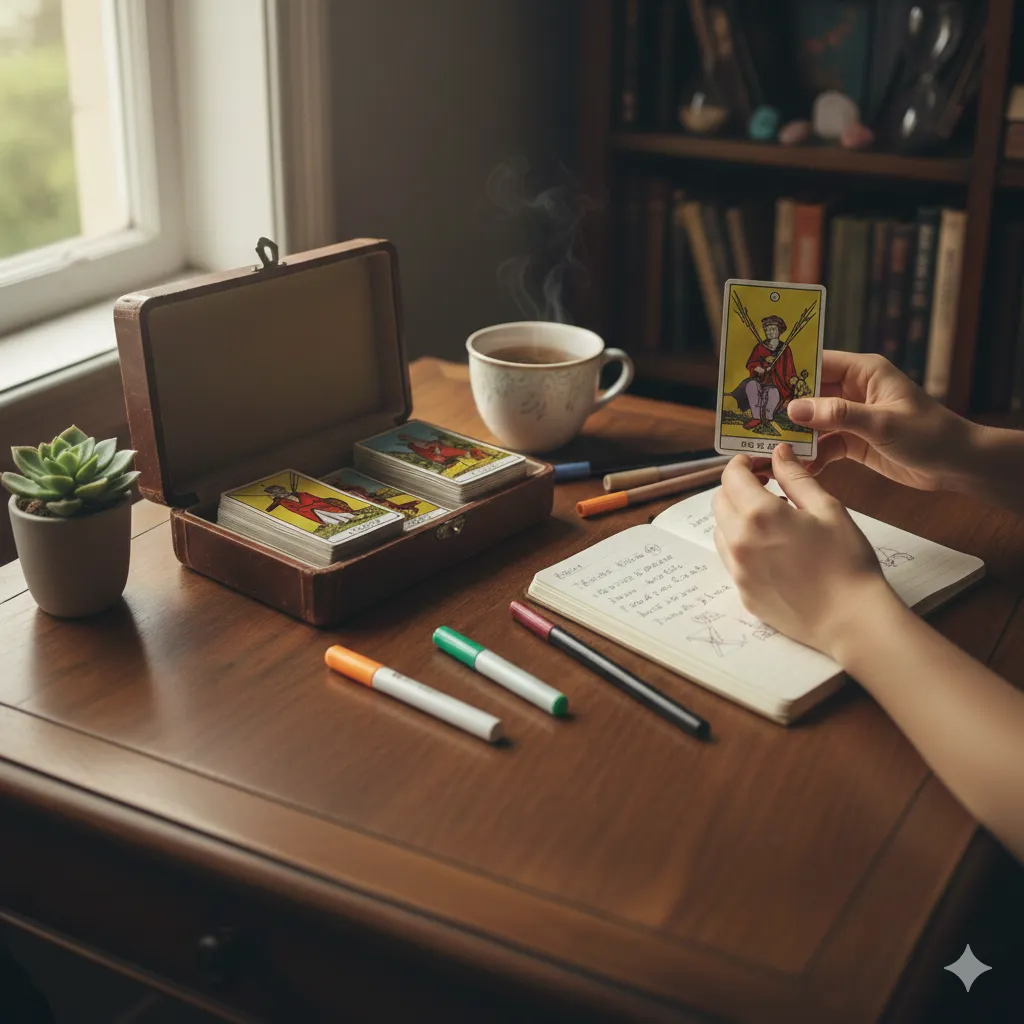
- Keep a tarot journal: Keeping a tarot journal as a healthy habit — paired with a single daily card — helps track and verify reading accuracy over time
- Continue learning: Tarot is a profound study with always more to discover
- Trust your intuition: Cards are guides; final interpretation comes from within
- Stay open-minded: Stay open to the answer you actually got, not the one you wanted
- Set clear intentions: Be specific. Say the question out loud before you shuffle
Avoid This
- Becoming overly dependent on tarot
- Letting tarot make all your decisions
- Ignoring your own responsibility and agency
- Treating tarot as absolute truth
Frequently Asked Questions
Is tarot actually dangerous? Will it bring bad luck?
Tarot is a reflection tool, not a curse generator. The cards have no power to alter your fate or attract misfortune; they simply mirror the energy and choices already in play. Treating tarot with respect keeps your readings clean, but no card you draw will "jinx" you.
Why is reading tarot in the middle of the night discouraged?
The Japanese "Hour of the Ox" (roughly 1–3 AM) taboo isn't really about ghosts. At that hour your judgment is foggy, your emotions tilt negative, and intuition reads as anxiety. Readings done then tend to be overly pessimistic, so most readers wait for daylight or at least a clear-headed evening.
Can I do a reading about a third party, like my crush or boss?
You can, but tread carefully. Reading on what someone else is thinking or feeling without their consent crosses an ethical line and tends to produce projection more than insight. A cleaner approach is to ask about your own position: "What do I need to understand about this dynamic?"
What should I do if I draw a "bad" card like Death, the Tower, or the Devil?
Don't panic. Death usually means a transition or ending of a chapter, the Tower points to a sudden truth that clears the way, and the Devil flags attachments or patterns worth examining. None of them predicts literal disaster. Sit with the card, look at where it landed in the spread, and ask what it's actually asking you to notice.
Do I really need to cleanse and charge my deck?
Cleansing is more for your mindset than the cards themselves. A quick shuffle, knocking the deck three times, or leaving it by a window overnight all work fine. If a ritual helps you reset between readings, keep doing it; if it feels like a chore, a thorough shuffle is usually enough.
Why does asking the same question over and over backfire?
Repeat readings on the same question tend to contradict each other, which leaves you more confused, not less. The first draw answers the question you actually had; everything after is you bargaining for a different result. Wait at least a week, and if the situation has genuinely shifted, rephrase the question from a new angle.
Conclusion
Tarot is a powerful tool for self-exploration, but how you use it matters. Following these taboos isn't superstition—it's about respecting tarot traditions, protecting yourself and others, and ensuring quality readings.
Remember: tarot cards reflect your inner wisdom and current energy, offering insight into where the future is headed. The one truly in control of your life is always you.
We hope this guide helps you walk your tarot path with greater confidence and stability. If you have any questions about tarot reading, feel free to try a free reading on AI Tarot!